




火を起こし、森を眺め、
朝の光で目を覚ます
A Night Spent at “My Hutte,”
a Private Rental Lodge in Kita-Karuizawa
都内から軽井沢は、あまりにも近い。もっと電車に乗っていたいな、とすら思う。
駅に降り立つと、涼やかな風に迎えられる。軽井沢駅で車を借りて、30分と少し。車窓に流れる木立のほっそりとした影に、ようやく都会を離れたことに気づかされた。
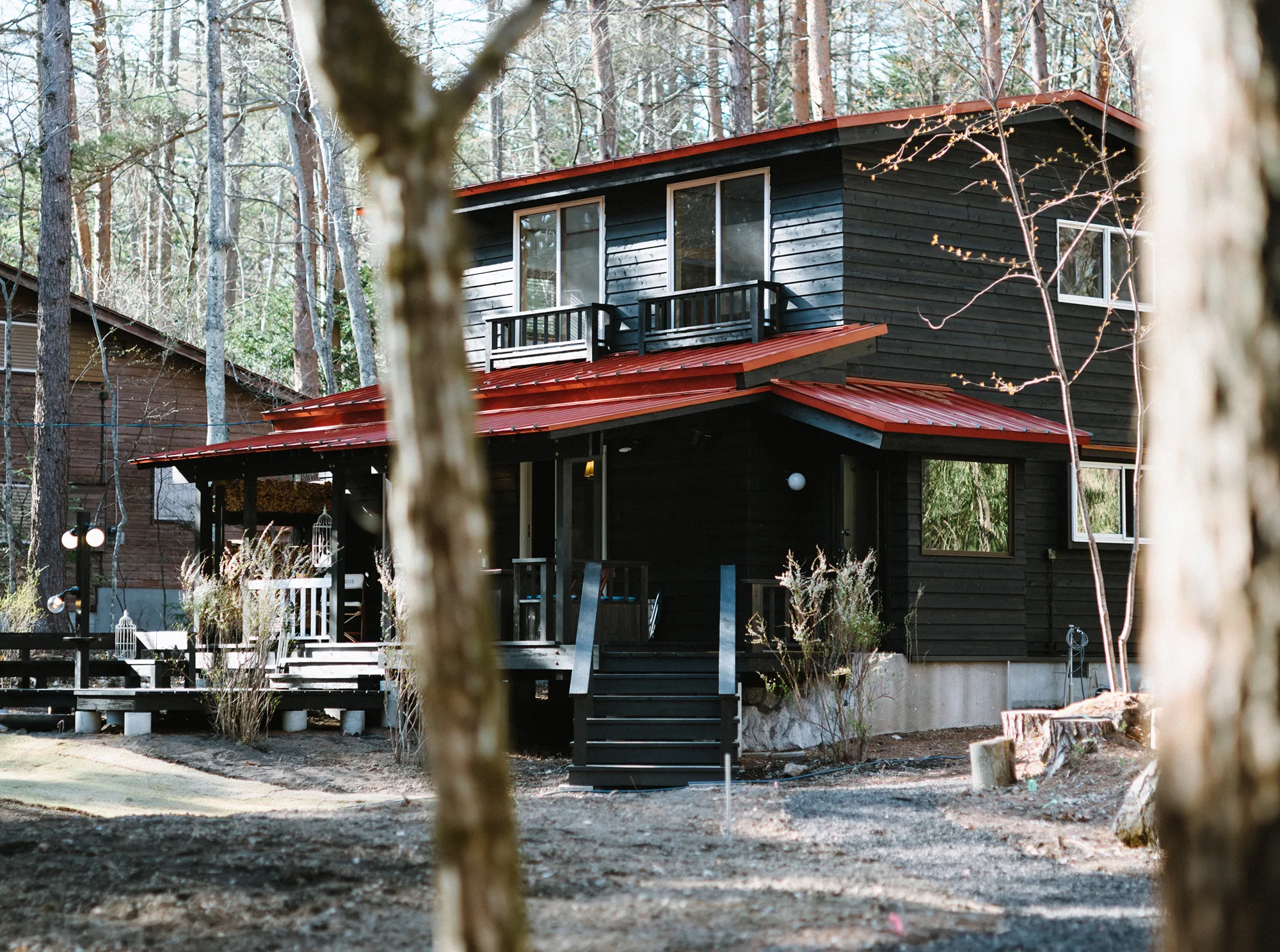
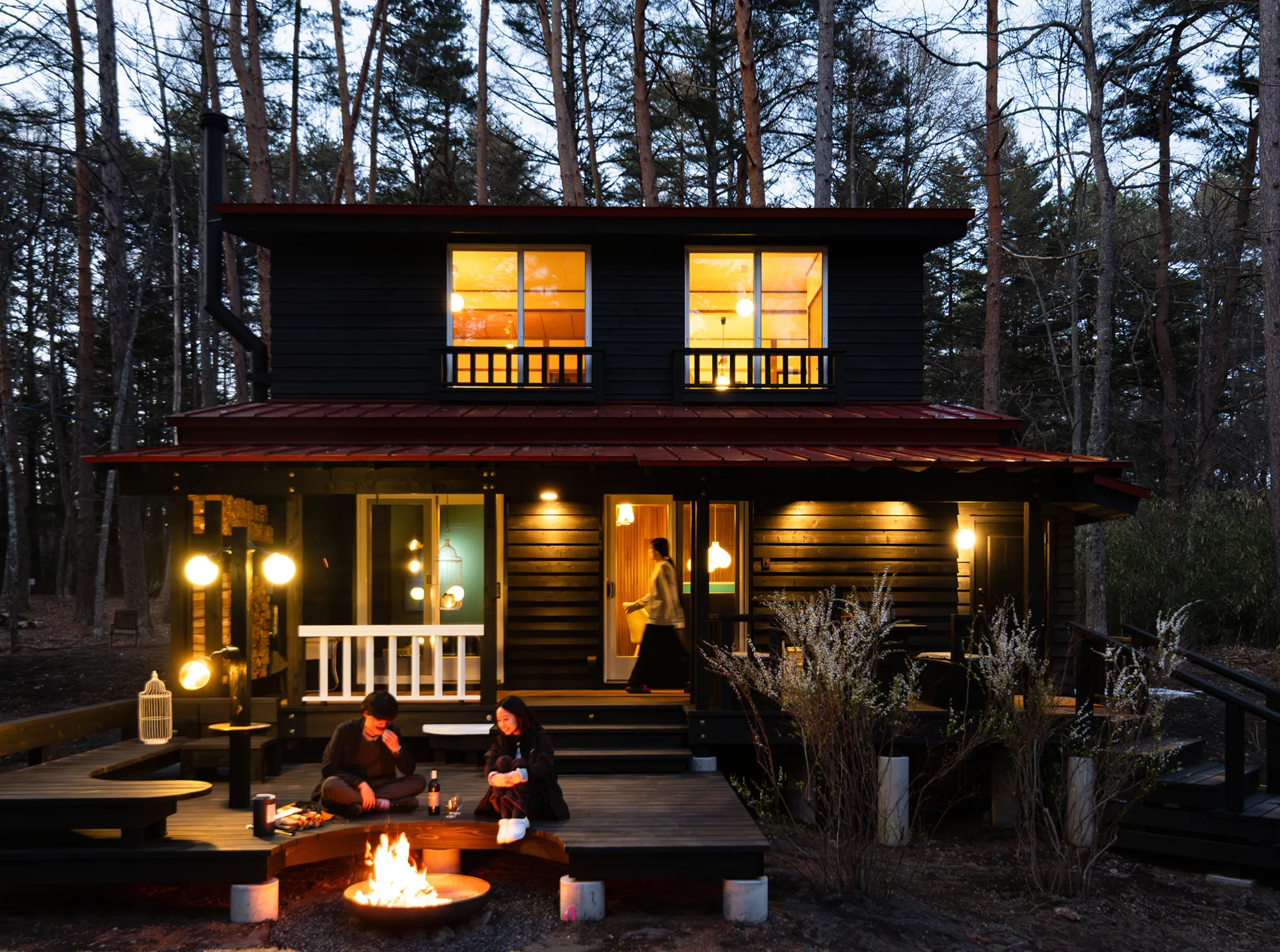
みんなとほとんど同時に、赤い屋根が目に止まる。浅間山のふもとの別荘地に、静かにそれは佇んでいた。
Karuizawa is surprisingly close to Tokyo. I almost wished the train ride were longer.
Stepping off at the station, a cool breeze greeted us. We rented a car at Karuizawa Station and drove for just over half an hour. The slender shadows of trees streaming past the window made me finally feel that we had left the city behind.
Almost simultaneously, we all caught sight of the red roof. There it stood, quietly, in a villa district at the foot of Mount Asama.
八百屋のかごは、重くなると嬉しい
The Heavier the Basket, the Happier You Feel
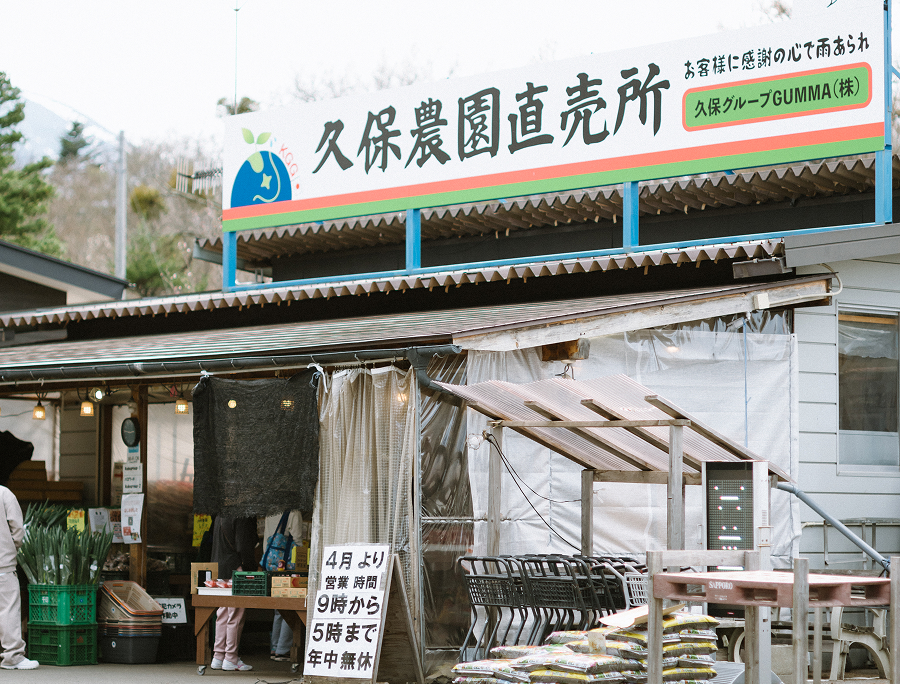
ヒュッテのほど近くにある久保農園は、ほぼ年中営業しているらしく、地元の人にとってのスーパーのような存在だ。足を踏み入れると、まず大ぶりな野菜たちに圧倒される。パスタやトマト缶、塩昆布なども並んでいるから、買い物をしながら自然と献立が浮かんでくる。
「ぶどうパンは朝ごはんにはもちろんだけど、肉にも合うし、アテにもなる」と聞いて、一斤を手に取った。
夕食のための野菜、翌朝にサッと食べられるもの、なくてもいいけれど、あると嬉しいもの…かごが重くなるにつれて、これからの時間そのものが輪郭を帯びていく。
Kubo Farm, just a short distance from the hutte, is said to be open nearly year-round, serving as a kind of supermarket for locals. Step inside and you’re immediately greeted by an abundance of large, hearty vegetables. With pasta, canned tomatoes, and kelp for seasoning also on the shelves, menus naturally begin forming in your mind as you shop.
We were told that the grape bread is not only great for breakfast, but also pairs well with meat and makes a fine snack — so we grabbed a loaf.
Vegetables for dinner, something easy to grab in the morning, things we don’t strictly need but would be glad to have… As the basket grows heavier, the hours ahead begin to take on shape.
主人はいないが、静かに迎えてくれる場所
No Host, Yet a Place That Welcomes You Quietly
「私のヒュッテ」に着いて、まず驚いたのは室内の涼しさだった。思っていたよりずっとひんやりしている。エアコンも暖房もなく、夏でも自然の涼しさだけで過ごせるのだという。そんなユートピアがまだ日本にあるのか、とぼんやり考えながら荷解きをすませる。
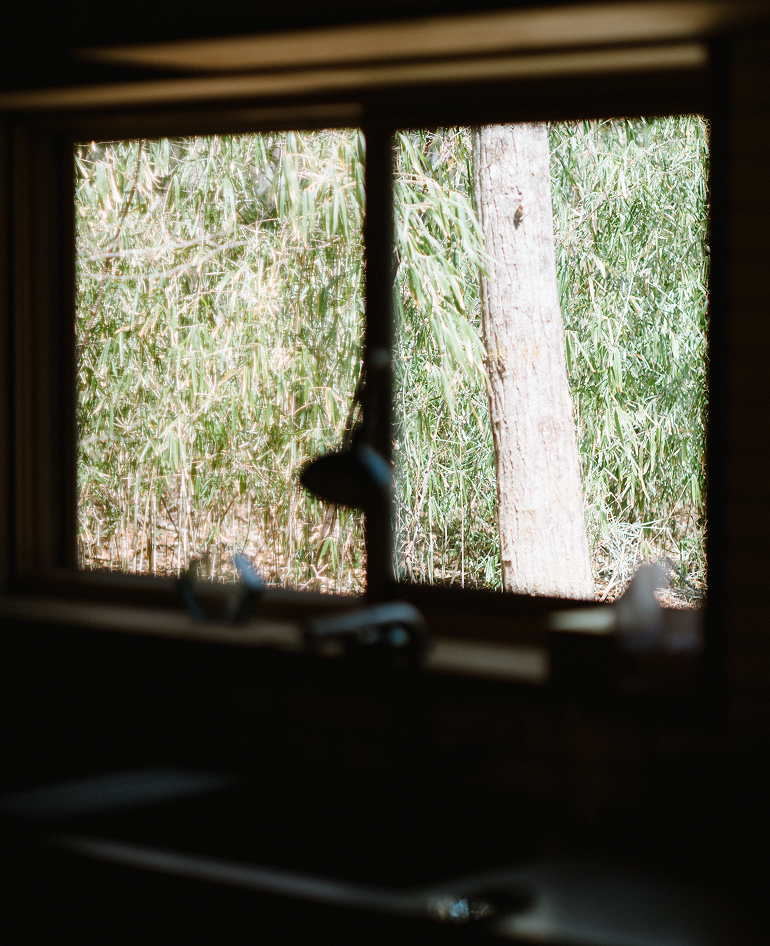
室内の照明はすこし落とされている。だからか、私たちの視線は自然と外の光へとむけられる。窓の外はまだ白々と明るく、木々の揺れる気配だけが静かに室内へ入り込んでくる。人工的な明るさで空間を満たすのではなく、自然の気配を受け入れるような設えだ。
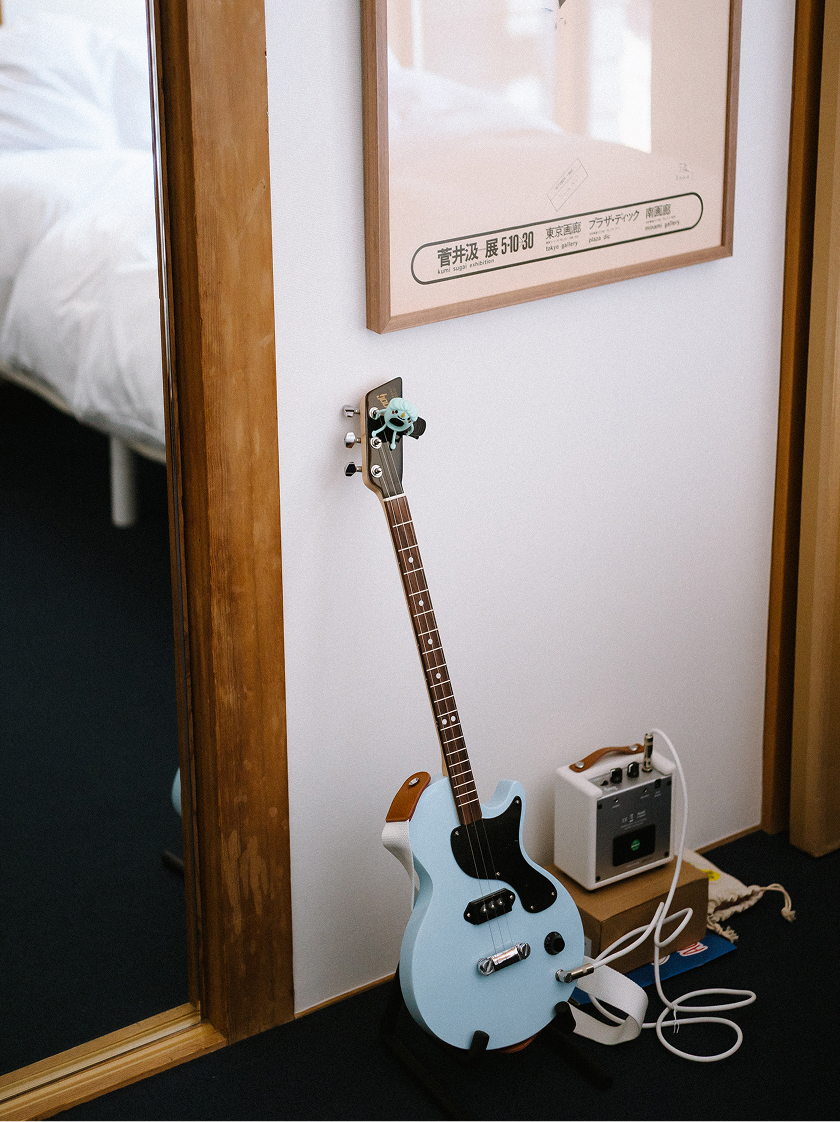
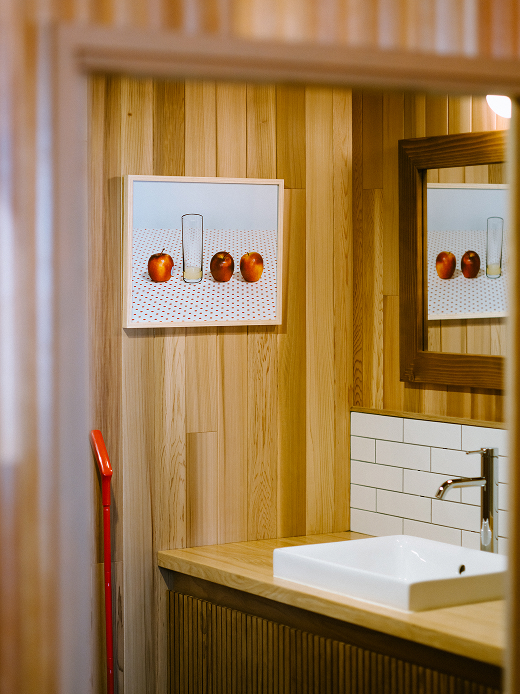
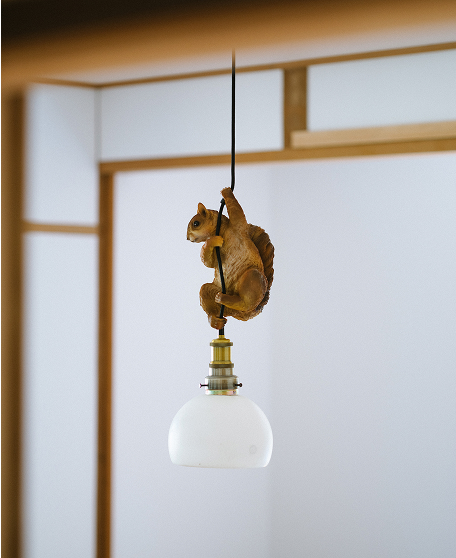
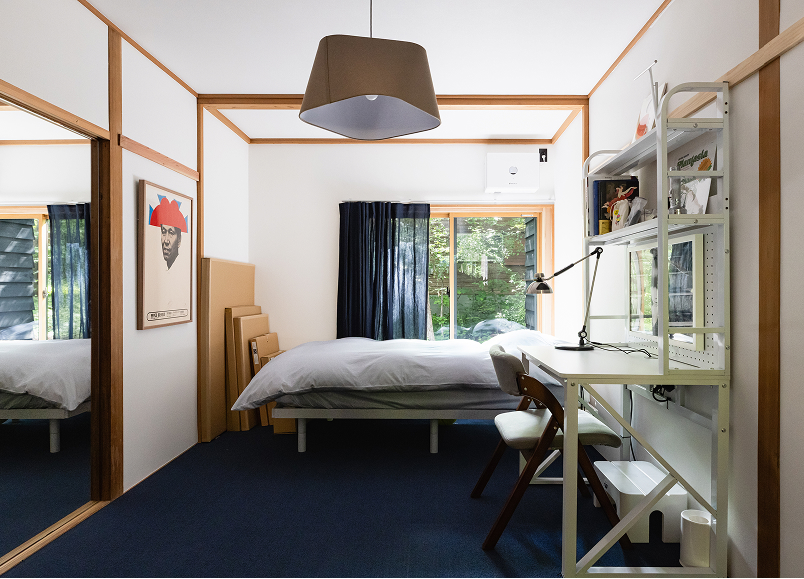
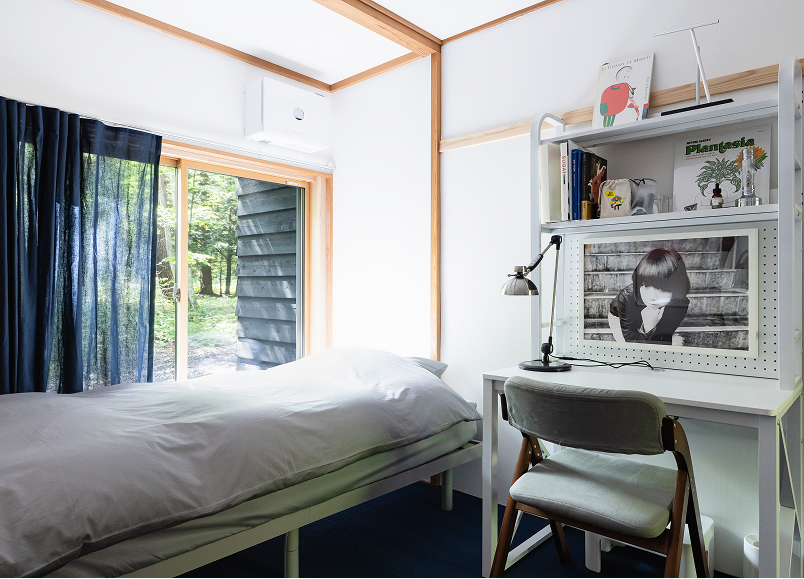
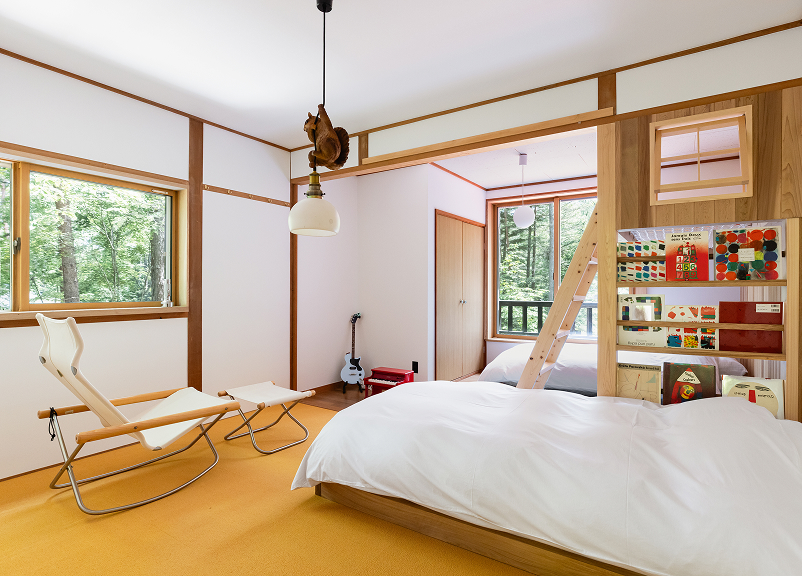
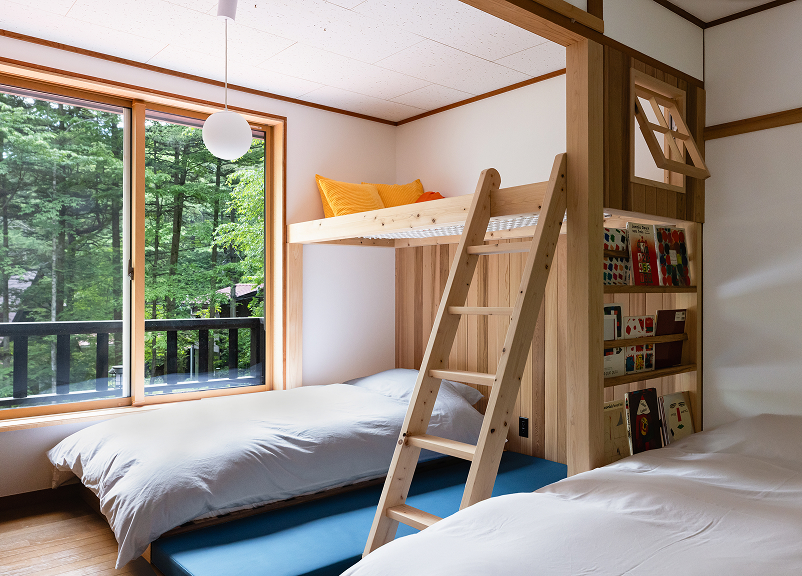
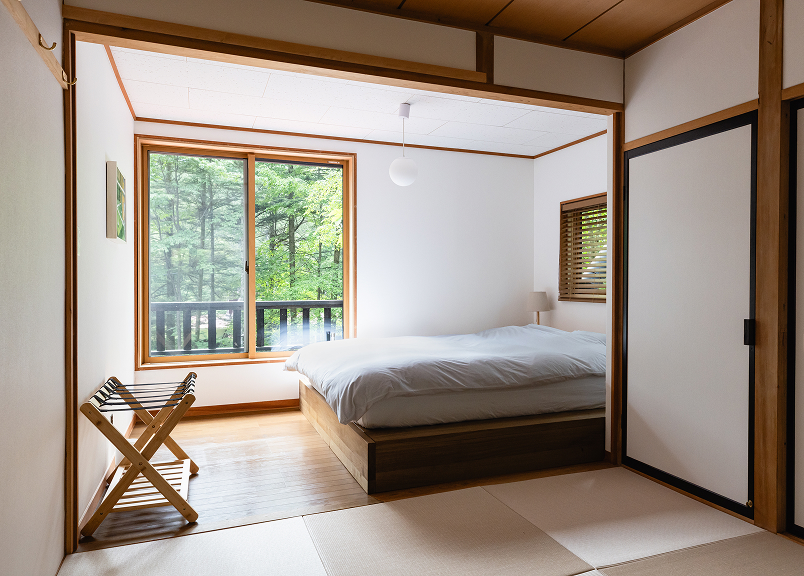
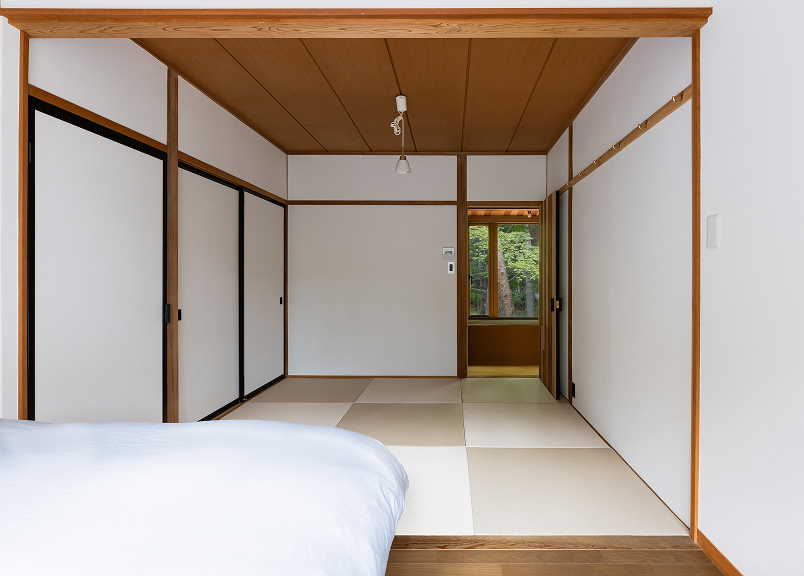
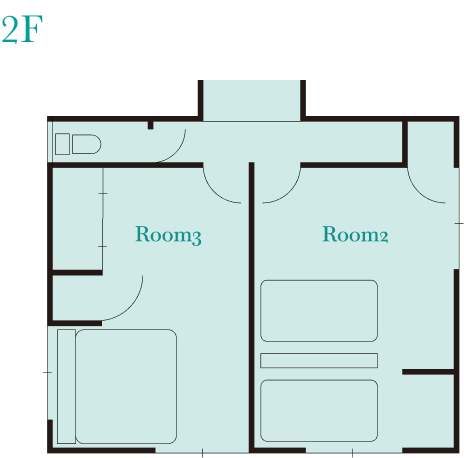
友人たちと部屋割を決め、一息ついてから、明るいうちにヒュッテをひと回りしてみた。畳の部屋もある。よく見ると、昔の和室の記憶をほどよく残しながら改装されているようだ。時間を継ぎながら今のかたちになったのだろう。ちいさな赤いピアノや、家具たちがそっと遊びごころを誘う。
The first thing that surprised us upon arriving at “My Hutte” was how cool it was inside. Much cooler than expected. There is no air conditioning or heating — even in summer, the natural coolness is all you need. I found myself unpacking slowly, hazily wondering whether such a utopia still exists in Japan.
The interior lighting is kept a little dim. Perhaps because of this, our gaze drifts naturally toward the light outside. The view through the windows is still bright and pale, and only the quiet rustling of the trees makes its way in. Rather than filling the space with artificial brightness, the design seems to welcome the presence of nature itself.
After deciding on rooms with our friends and settling in, we took a slow walk around the hutte while it was still light. There’s a tatami room. Looking closely, it feels like a renovation that preserved just enough memory of the old Japanese-style space. As if time itself was carefully stitched together to arrive at this form. A small red piano and various pieces of furniture quietly invite a sense of play.
近未来的ミッドセンチュリー
Near-Future Mid-Century
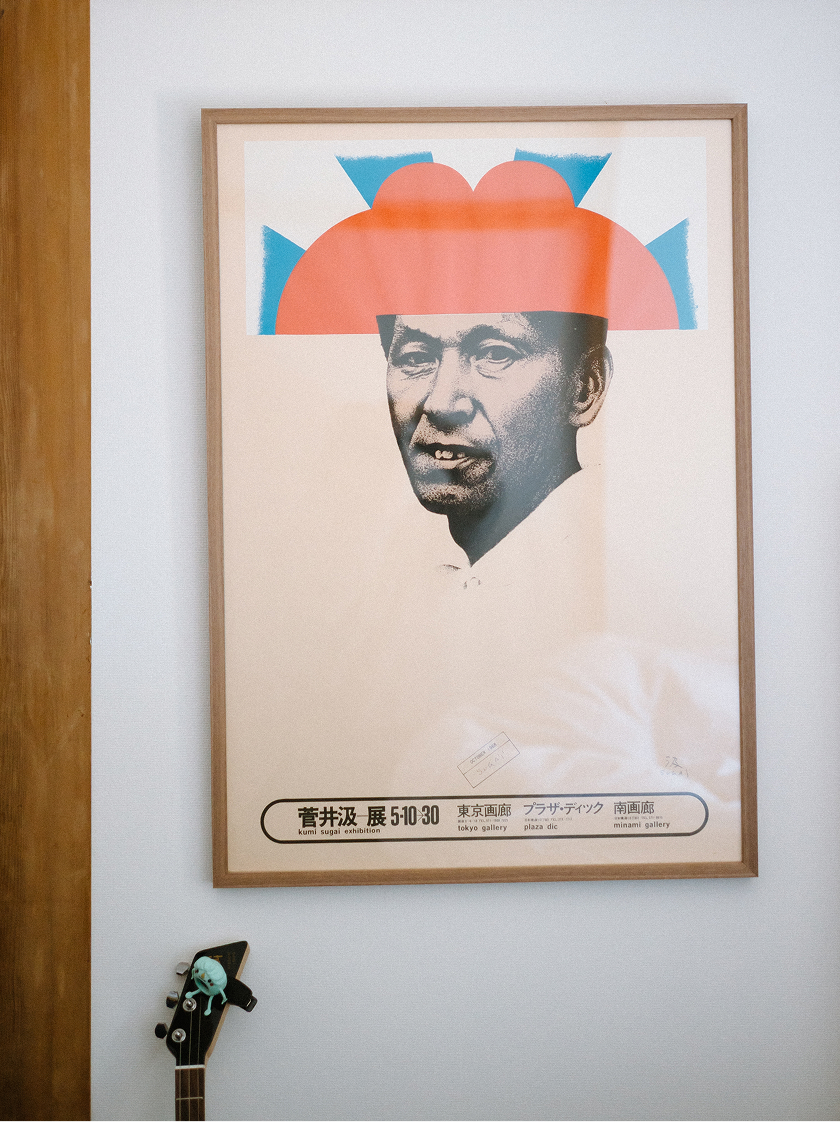
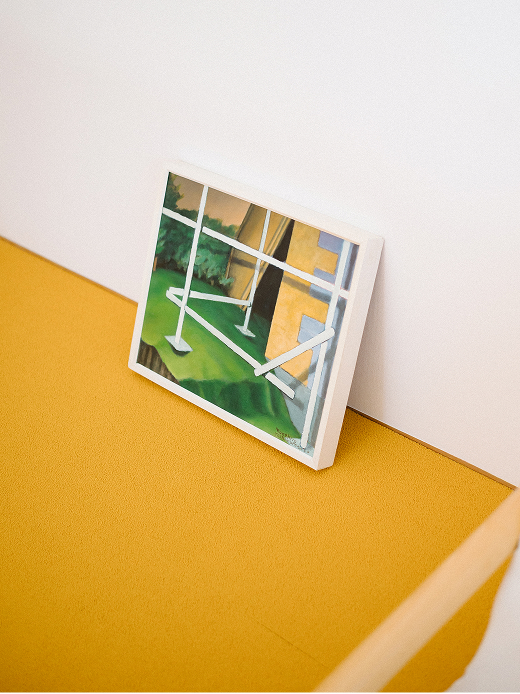
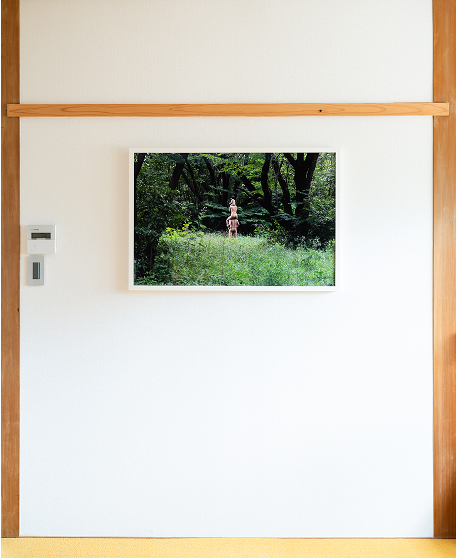
中を見てまわり、いくつかのアートに目がとまった。なかでも暖炉のある空間は、ソファに腰掛けるといつまでも絵の前に佇んでしまいそうだった。まず、目に止まるのは明治期の「軽井沢グリーンホテル」の姿だ。私のヒュッテのこげ茶の外壁、印象的な白の意匠は「過去の記憶」として静かに引用されている。
その一方で、建物がもともと備えていた1960年代のミッドセンチュリーの要素は、フィーチャーリスティックな感覚へと橋を架ける。ターコイズブルーの壁に掲げられた、ふたつのロケットが描かれた絵画。過去と未来の両義的なベクトルが、今この瞬間にぴたりと止まったような「真空の浮遊感」を宿している。
このヒュッテには山小屋のような「おこもり感」と、時間を飛び越えてしまいそうな「浮遊感」が同時にある。懐かしさだけでもないし、洗練だけでもない。国も時代も軽やかに超えて、昨日にも明日にもとらわれない——そういう心地よさが、言葉ではなく空間のかたちとして伝わってくる。ここで過ごす時間は、過去と未来のあいだに、ただ今だけが浮かんでいるのだ。
Wandering through the interior, several works of art caught my eye. The room with the fireplace in particular felt like a place where you could sit on the sofa and simply stand before the painting forever. First to draw my attention was an image of the Meiji-era “Karuizawa Green Hotel.” The dark brown exterior and striking white design of My Hutte are quietly quoted from that past memory.
At the same time, the mid-century elements originally built into the structure in the 1960s build a bridge toward something that feels futuristic. A painting of two rockets hangs on the turquoise-blue wall. The ambivalent vectors of past and future seem to have stopped dead in this very moment — a kind of “vacuum-like floating sensation.”
This hutte holds both the intimacy of a mountain hut and a feeling of floating beyond time, simultaneously. Neither purely nostalgic nor strictly refined. Freely transcending nations and eras, bound neither to yesterday nor to tomorrow — that comfort is conveyed not in words but in the shape of the space itself. The time you spend here drifts between past and future, with only the present moment suspended.
まずは森の近くで腹ごしらえ
First, a Meal Near the Forest
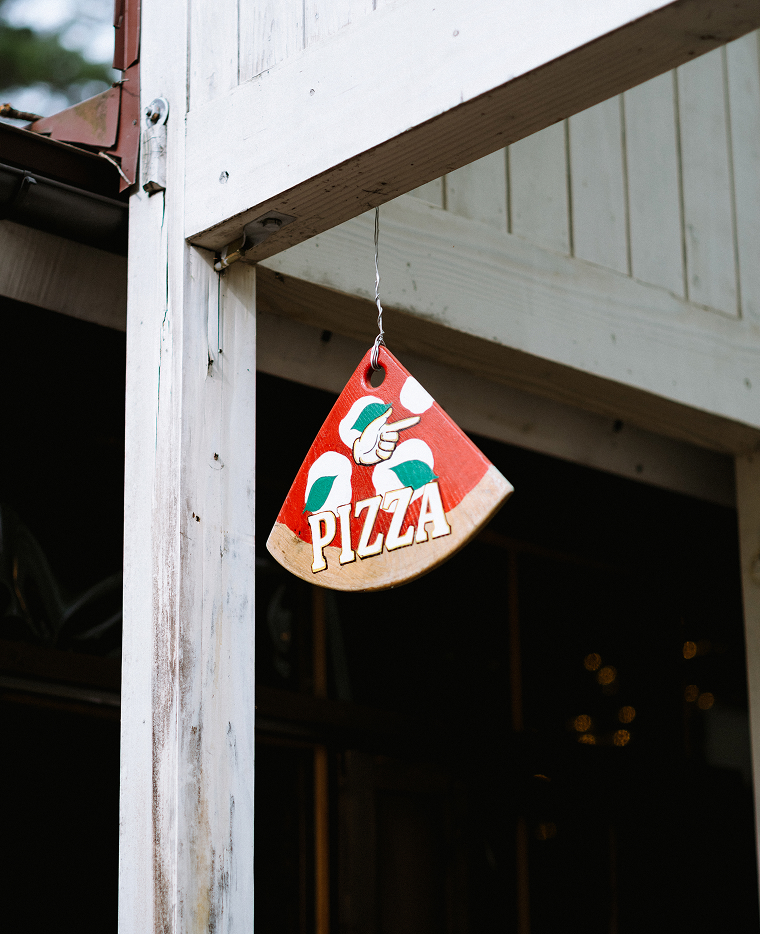
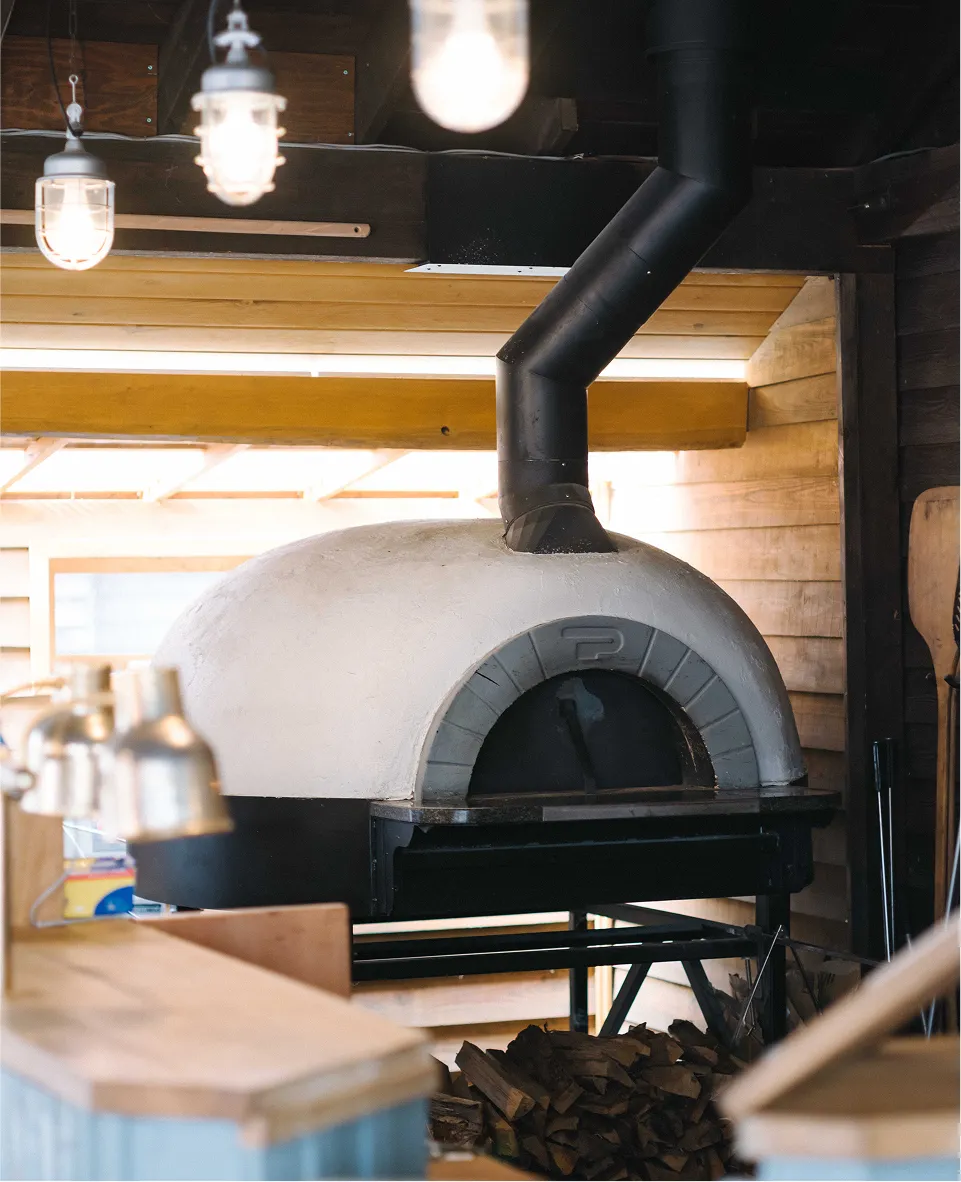
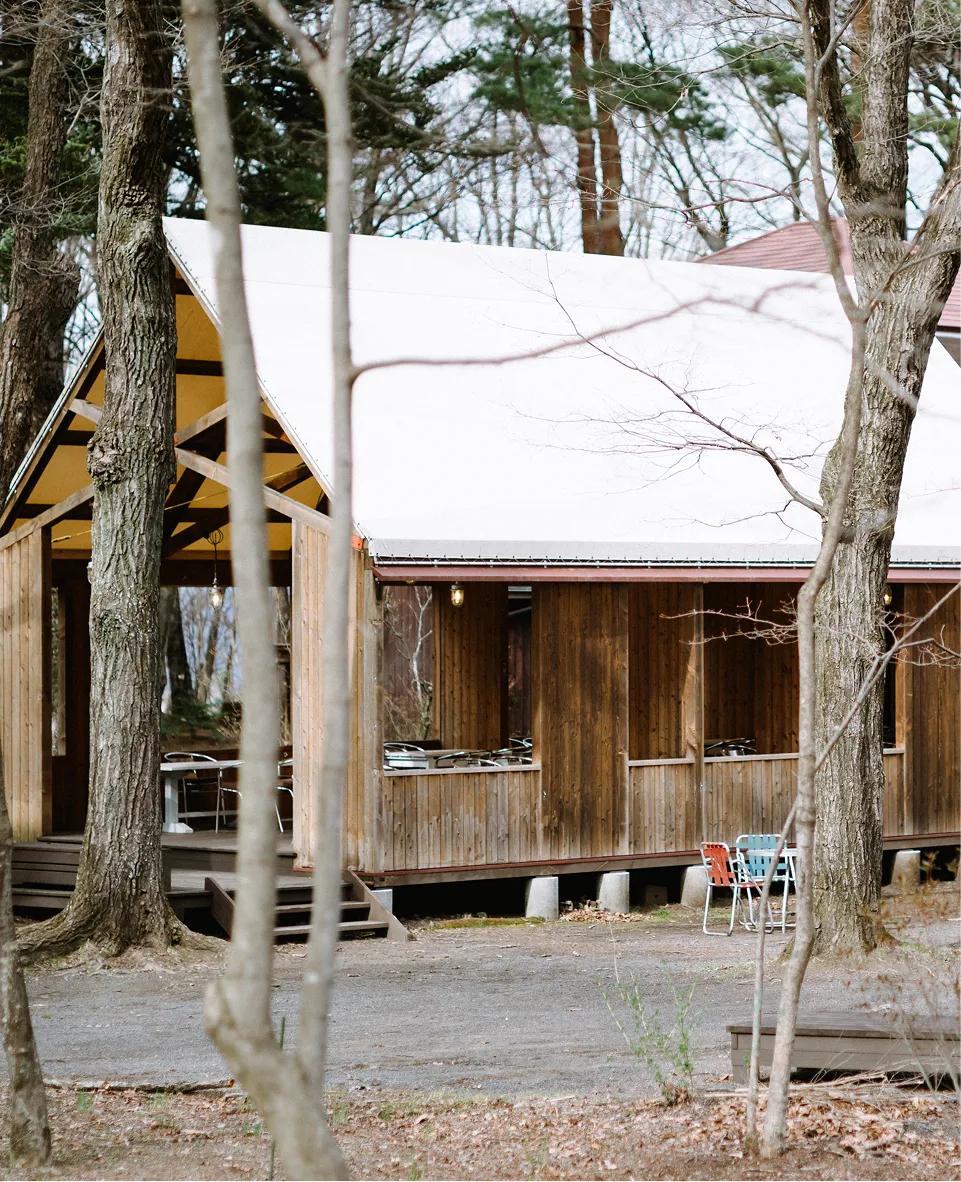
軽く腹ごしらえをしようと、車で5分の「ルオムの森」へ向かった。開放感のある森を眺めながら、薪火で焼いたピザを分け合う。こんがりと焼き目のついた耳まで格別においしかった。ヒュッテの暖炉は、ここから譲り受けたものらしい。
We headed to “Ruom no Mori,” just five minutes by car, for a light bite. Sitting amid the open forest, we shared pizza baked in a wood-fired oven. The crust was perfectly charred, right down to the edges. We later learned that the fireplace in the hutte came from this very place.
周辺をめぐりながら、夜の輪郭をつかまえる
Tracing the Edges of Night on a Drive Around Town
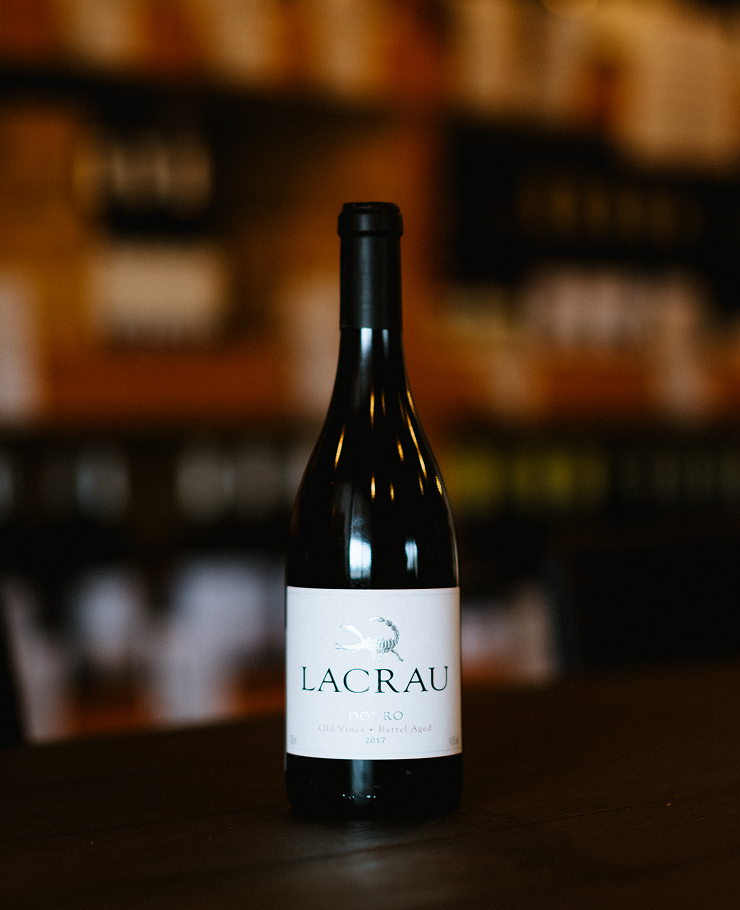
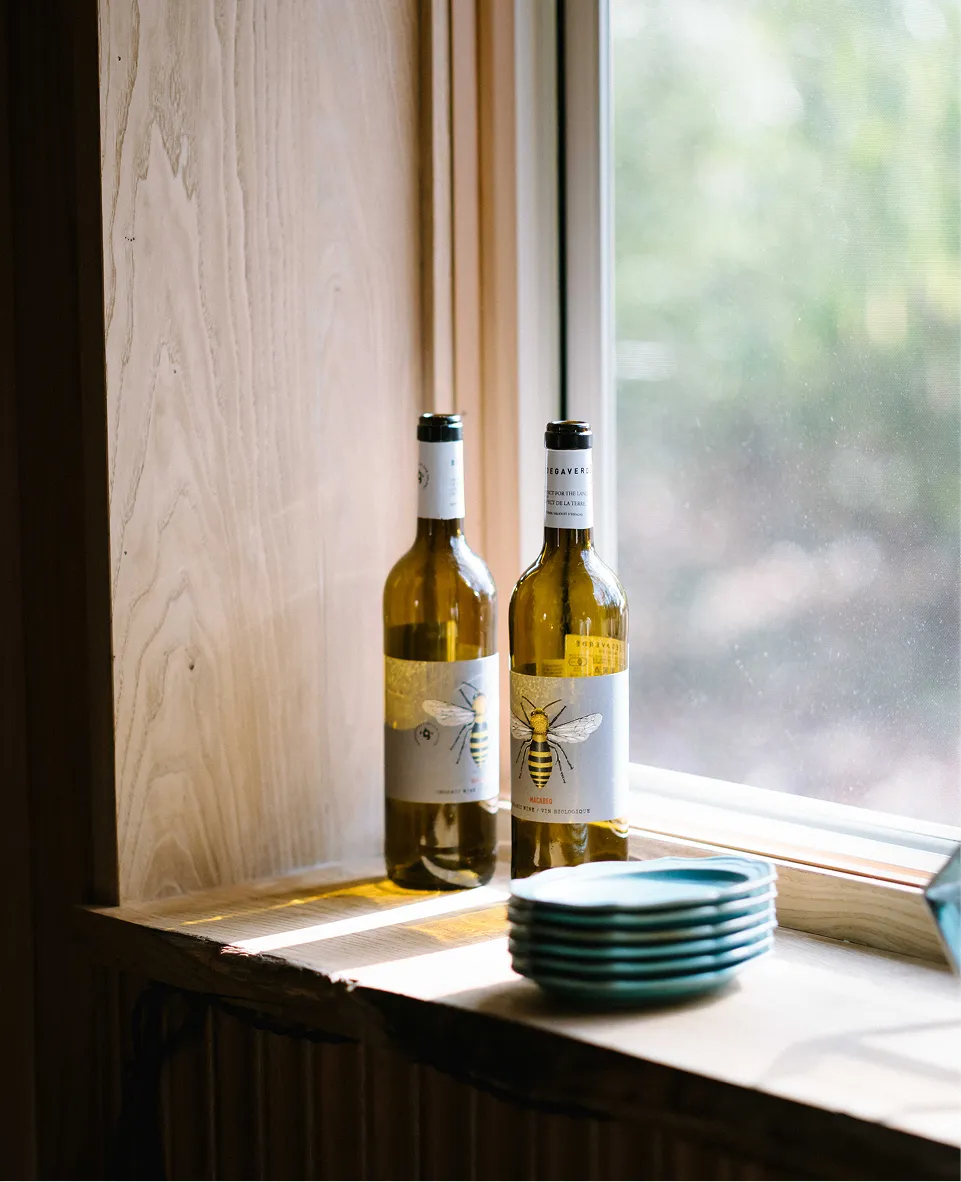
そのまま少し周辺を回ることにした。キャベツ畑の近くにある「72season's」に立ち寄って、夜のためのワインを選ぶ。ポルトガルワイン専門だと聞き、夕食に開けるならこれか、焚き火のそばで飲むならあちらか、と相談する時間もまた楽しい。飲みきれる本数を見定めるのが大人だ。
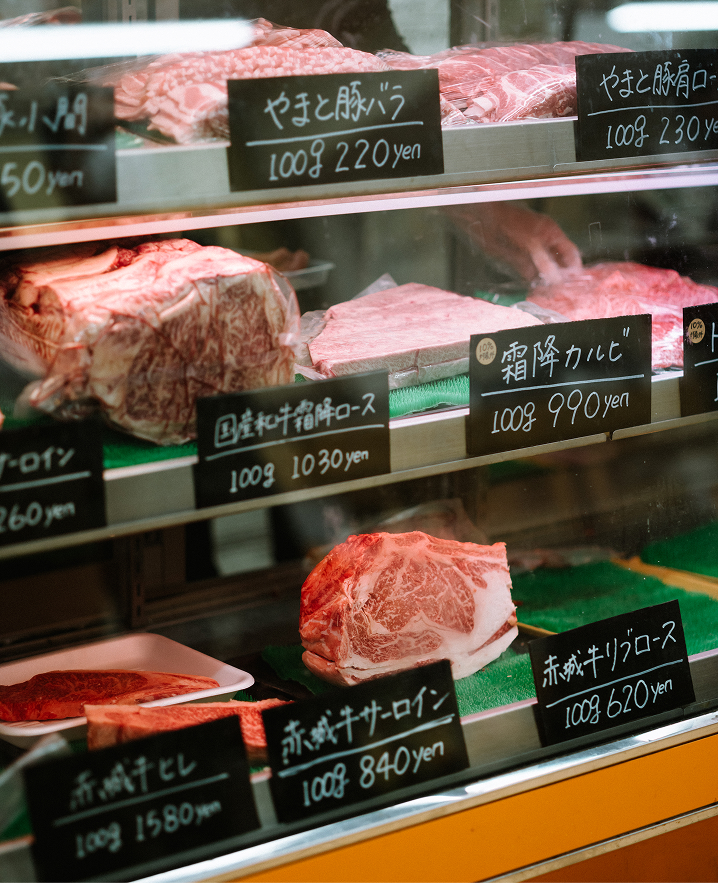
さらに浅間ミートへ寄って赤城牛を買い足す。こうして買い出しをしながら各所を巡るうちに、これから過ごす夜が、ようやく現実味を帯びてくる。
We decided to drive around the area a little more. We stopped in at “72season's,” near the cabbage fields, to choose wine for the evening. Hearing it was a Portuguese wine specialist, we debated whether to open this one for dinner or save that one for beside the fire — and enjoyed the conversation itself. Knowing how many bottles you can actually finish is a sign of maturity.
We also stopped by Asama Meat to pick up some Akagi beef. By the time we’d made our rounds, the night ahead had finally started to feel real.
北を特等席にしつらえる
Making the North Side Your Seat of Honor
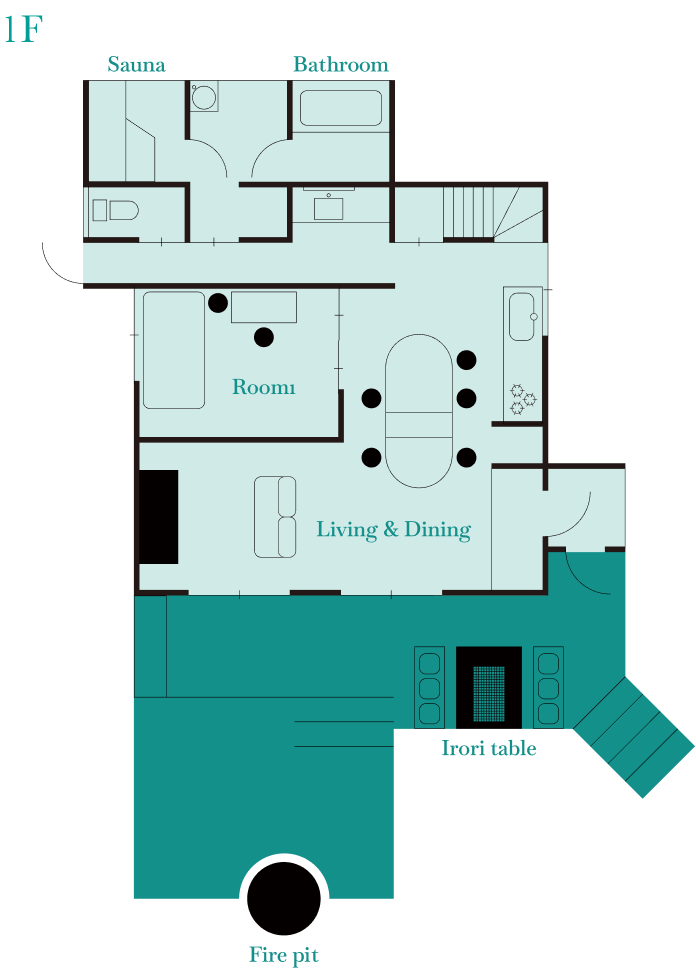
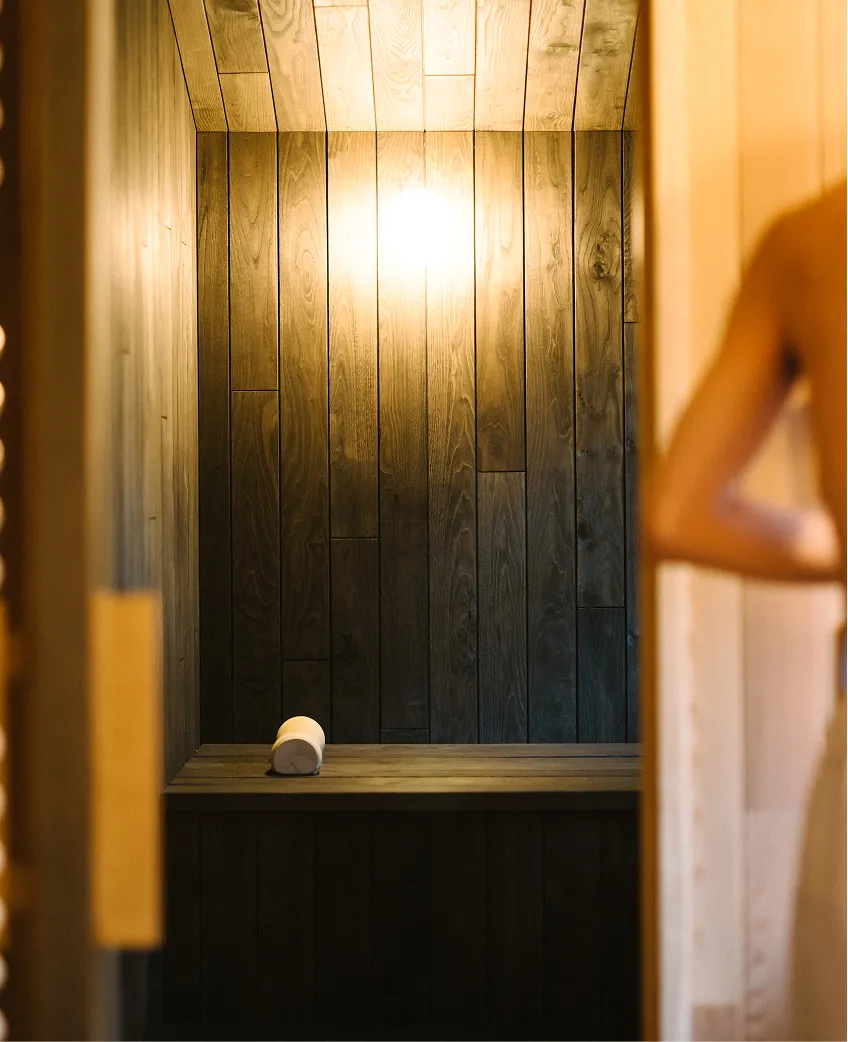
ヒュッテに戻ると、まだ時間はたっぷりある。誰となくキッチンで野菜を切りはじめ、また誰かは炭を起こしはじめた。サウナを温めようと浴室へ向かうものもいる。誰もが自由に、それぞれの夕方へ向かっていく。同じことをしていなくても、同じ時間のなかに浮かんでいる感覚だけはちゃんと共有されている。
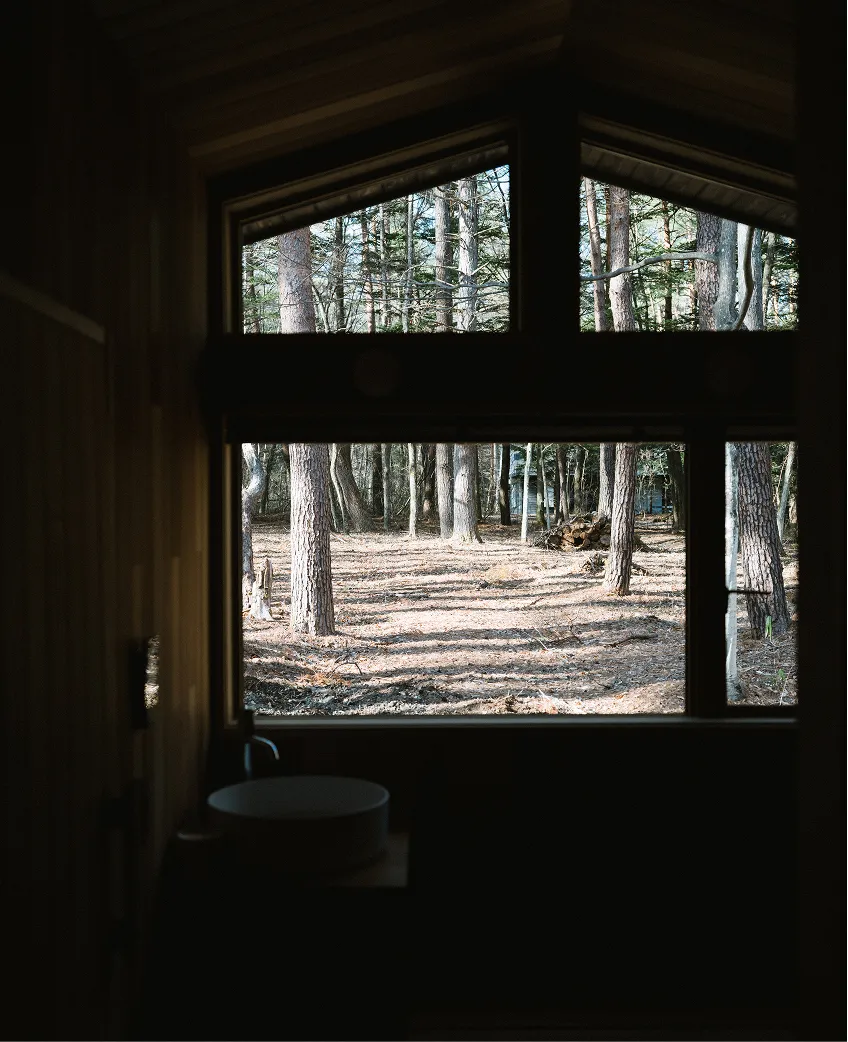
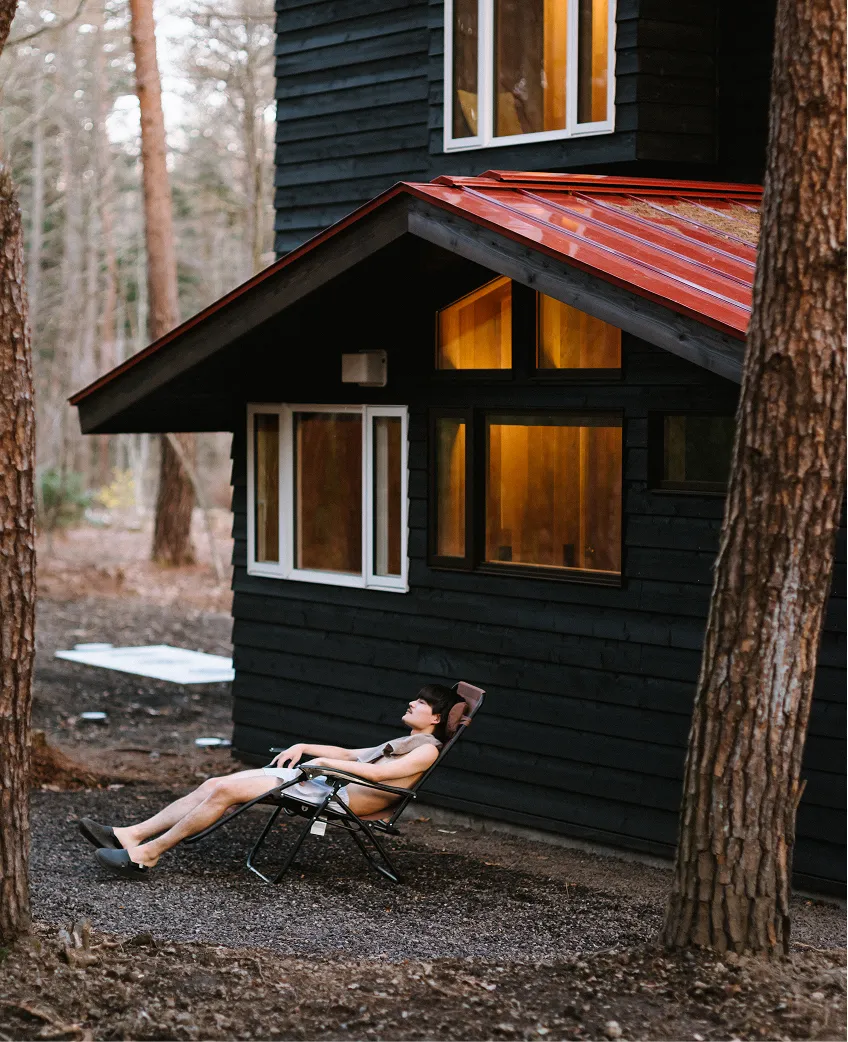
私はなんとなく外へ出て、建物の北側にまわってみた。そこには林地に向かって椅子が置かれていて、いわゆる「表」とは逆のほうへ視線がひらかれている。家の魅力は、つい南向きの窓や明るい庭で語られがちだ。でもこのヒュッテでは、北側が印象に残る。木々のあいだを抜ける風はひんやりとして、なぜかずっと眺めていられる。北が裏手ではなく、静けさのための場所として置き直されているようだった。
サウナに入った友人も、しばらくしてその北側へ出てきた。ここでは外気浴だろうという意気込みが伝わってきた。ほかほかの湯気をまとったまま、椅子にからだを預けている。葉擦れの音に、鳥のさえずりが重なる。景色を見るというより、気配のなかに浮かんでいるような時間だった。
Back at the hutte, there was still plenty of time. Without any particular arrangement, someone started chopping vegetables in the kitchen, another began lighting charcoal, and someone else headed to the bathroom to heat up the sauna. Everyone drifted freely toward their own version of the evening. Even without doing the same thing, a shared sense of floating within the same time was genuinely felt.
I wandered outside and made my way around to the north side of the building. There, chairs were placed facing the woods, with a view that opened in the opposite direction from the “front.” A home’s charm tends to be talked about in terms of its south-facing windows and bright garden. But at this hutte, it’s the north side that lingers. The wind threading through the trees is cool, and for some reason you can just keep watching. The north had been repositioned not as a back side, but as a place for quiet.
The friend who had taken a sauna emerged onto the north side a little while later. You could tell they meant to do some outdoor air bathing here. Wrapped in a warm haze of steam, they settled back into a chair. The rustle of leaves layered with birdsong. It felt less like watching a view, and more like floating within a presence.
最高の味付け、「せっかくなら、外で」
The Best Seasoning: “If You’re Going to Do It, Do It Outside”
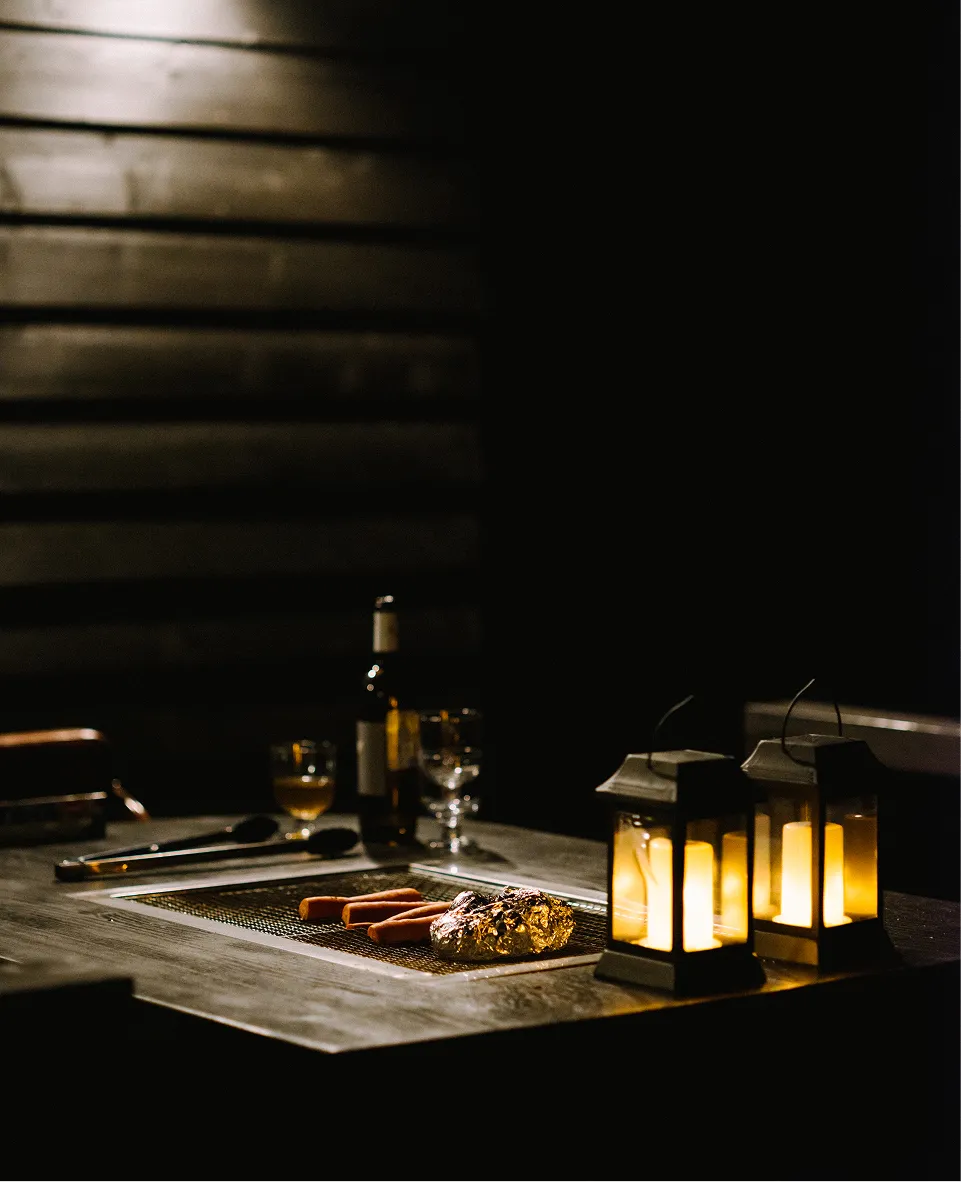
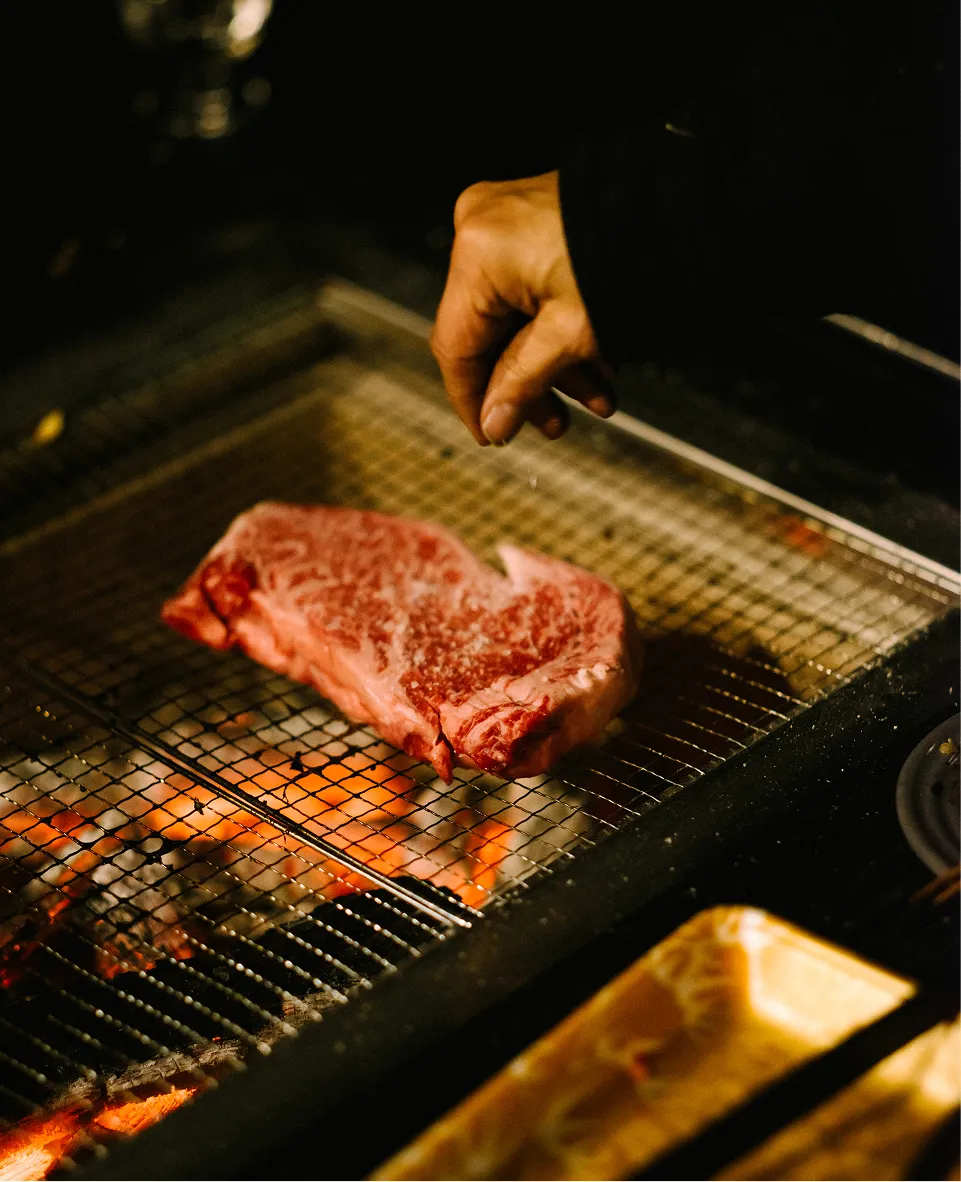
日が落ちきる前に、軒下の囲炉裏テーブルのまわりに友人たちが集まりはじめた。炭の具合を見ながら、野菜や肉を思いおもいに焼いていく。焼き目がつく音、皿の行き来、グラスに注がれる飲み物。半分野外で半分屋内のような、軒下という場所が新鮮だ。次は何をのせるか、そろそろ裏返すか、塩だけでいくか。焼き立てをナイフで切り分けるライブ感もまたいい。賑やかなやりとりが絶えず続いた。
北軽井沢の静かな夜は、私たちの宴をおだやかに見守っている。
Before the sun had fully set, friends began gathering around the irori table under the eaves. Watching the charcoal, we grilled vegetables and meat at our own pace. The sizzle of browning food, plates passing back and forth, drinks poured into glasses. There was something fresh about being under the eaves — half outdoors, half inside. What should go on next? Time to flip it? Just salt? The lively conversation never let up, and the live feeling of slicing hot food with a knife was just right.
The quiet night of Kita-Karuizawa watched over our gathering with a gentle calm.
火を囲み、語り、浸るだけ
Gather Around the Fire, Talk, and Simply Be
食事を終えたあとも、夜はゆるやかに続く。食卓を片付けつつ、ヒュッテの正面にあるファイアーピットへ移る。こちらは火を囲むための場所だ。着火剤とチャッカマンを見つけて、不器用に薪を並べてみる。せっかくだから芋をホイルに包んで焼いてみようと試みる。火は思ったようにはついてくれず、ああでもないこうでもないと屈み込んでいると、ひとり、またひとりと様子を見にやってきた。誰かが薪の向きを直し、「そのくらいでいいんじゃない」と言う。手際よくひとりで完成させるより、このくらい少し手間取るほうが、かえって場ができる。
ようやく炎が立ち上がると、みんな自然とそのまわりに留まる。ワインを開けて、食後の一杯をゆっくりと味わう。おいしかったね、という話のあとには、仕事のこと、最近観た映画のこと、昔の旅のこと、とりとめのない話が続いていく。火を見ていると、会話はどこへ飛んでいってもいいし、途切れてもいい気がしてくる。
誰かがレコードを選んで音楽をかける。パチパチと火の爆ぜる音に混ざって、やわらかく針のノイズが乗る。1960年代に録音された音が、2026年の夜の林のなかへ溶けていく。夢心地の夜を燃やしきる前に、この一棟貸しの宿はそれぞれの「私のヒュッテ」に変わっていく。
Even after dinner, the night continued gently. We cleared the table and moved to the fire pit in front of the hutte — a place made for gathering around fire. We found some fire starters and a lighter and clumsily arranged the firewood. We thought we’d wrap some potatoes in foil and try roasting them. The fire didn’t catch as easily as hoped, and as we crouched over it trying this and that, one by one, people drifted over. Someone adjusted the logs. “That’s probably good enough,” they said. A little bit of fumbling like this, rather than finishing it neatly alone, is what actually brings people together.
Once the flames finally rose, everyone naturally stayed nearby. We opened a bottle of wine and slowly savored a post-dinner glass. After talking about how good the food was, the conversation wandered — work, a film someone had seen lately, an old trip — drifting wherever it wanted. Watching the fire, you feel like the conversation can go anywhere, and it’s fine if it stops too.
Someone picked out a record and put on some music. The soft crackle of the needle mixed into the snapping of the fire. Sound recorded in the 1960s melted into the night forest of 2026. Before the dreamy night burned itself out, this single-occupancy lodge had quietly become each person’s own “My Hutte.”
読みかけの本にヒュッテの光を呼び込んで
Letting the Hutte’s Light into the Book Left Half-Read
朝日で目が覚めるなんていつぶりだろう。白く静かな明るさが室内に満ちている。窓にはカーテンがほとんどなく、外の光がそのまま届いてくる。1日が始まる前の静寂をたずさえて、軒先に出る。モーニングテーブルで、コーヒーをひとくちすする。朝の空気は輪郭がはっきりしていて、昨夜の焚き火やワインの余韻を、きれいにひと晩向こうへ運んでくれる。
読みかけの本を一冊持ってきていた。読み進めたというより、活字のあいだに朝の時間を置いた、という感じに近い。誰かが起きてきて「よく眠れたね」と言う。時計を気にする理由がどこにもない朝は、こんなにも軽い。
When was the last time I woke to the morning sun? A quiet, pale brightness fills the room. There are almost no curtains on the windows, and the outside light arrives exactly as it is. Carrying with it the stillness before the day begins, I step out under the eaves. I take a sip of coffee at the morning table. The morning air has a sharp clarity to it, carrying away the lingering traces of last night’s fire and wine to somewhere a full night away.
I had brought a book I’d left half-read. It felt less like reading ahead, and more like placing the morning hours between the lines of text. Someone wakes up and says, “You slept well, didn’t you.” A morning with no reason to check the clock is this light.
私のヒュッテはここにある
My Hutte Is Here
ドイツ語で「山小屋」を意味するヒュッテは、もともと登山客が疲れを癒すための場所だ。山を登る目的からひととき離れて、ただそこに在ることを許される場所。国も時代も軽やかに超えて、昨日にも明日にもとらわれず——火を起こし、食事を囲み、音楽に浸り、森を眺めて、朝の光で目を覚ます。またここで何にもとらわれず、ただ今に浮かんでいたいと思う。
The word “hutte” means “mountain hut” in German — originally a place for hikers to rest and recover. A place where you are allowed, for a time, to step away from the purpose of climbing and simply be there. Freely transcending nations and eras, bound neither to yesterday nor to tomorrow — kindle a fire, gather around a meal, sink into music, gaze at the forest, and wake to the morning light. I want to float here again, bound to nothing, simply in the now.
writing / nawa
photo / oana
Fin
↑ Back to Top ↑